
Manufacturing a prototype is simpler when machining, assembly and test run under one plan. Vision Engineering Technology Partnerships supports early stage builds with revision control, practical Design for Manufacturing (DFM) and Design for Assembly (DFA) input, plus inspection evidence that helps you sign off and move into small or medium batch later.
Prototype manufacturing that sets you up for repeat builds
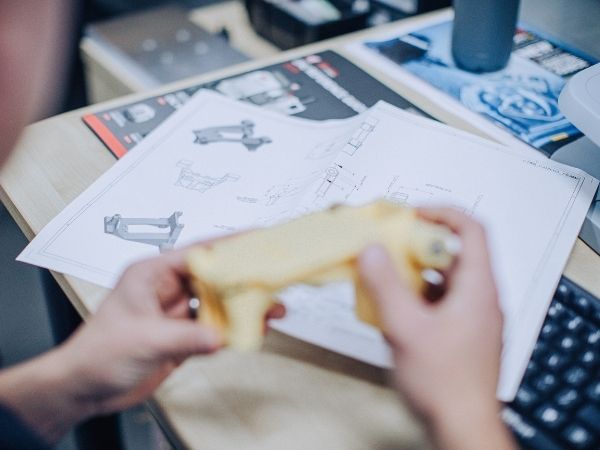
Prototype manufacturing is where you prove the design in a physical build, then remove the risks that slow you down later. A good prototype build lets you test performance and gather user feedback. It also helps you understand costs and spot issues before you commit to full scale production. If you plan to scale, focus on:
- A stable manufacturing process, even at early stage
- Controlled revisions so changes do not derail the production process
- Clear acceptance criteria for critical features and functionality
- A test plan agreed early, including pass or fail criteria
- A clear route from a product prototype to production ready parts
From early stage prototypes to volume production, what changes?
As you move from early prototypes to volume production, the work shifts from proving a concept to repeating a controlled manufacturing process.
- Early prototypes Prove the concept and spot issues early. Use real parts to test performance in real world conditions, then confirm what matters most before you spend time on refinement.
- Prototyping stage Refine interfaces, materials, plus what “pass” looks like. Confirm material selection and raw materials availability, then update the design based on functional testing results.
- Pilot build Lock the method and evidence for repeat orders. Define how you will produce the parts, then agree the inspection plan, quality control steps, plus the records you need for sign-off.
- Volume production Run repeat builds with predictable lead times and controlled change. This is where mass production begins, with consistent product quality built into the production process.
Learn more about our contract manufacturing service.
Choosing the right route for prototype manufacturing
Pick the method based on what you need to prove and how close you are to final production parts.
| Method | Best for | Limits | Typical next step |
|---|---|---|---|
| 3D printing | Early stage fit checks, rapid prototyping | Printer build size, large parts may need joining | CNC machining for tighter interfaces |
| CNC machining | Tight tolerances, complex geometries, production ready parts | Set-ups and inspection can add time and cost | Pilot build, repeat builds, volume production |
| Vacuum casting | Moulded parts in low volume production | Outsourced, not in-house equipment | Tooling decision for higher volume |
Once you’ve picked a route, align material selection and testing so the prototype behaves like the final product.
CNC machining for prototype parts
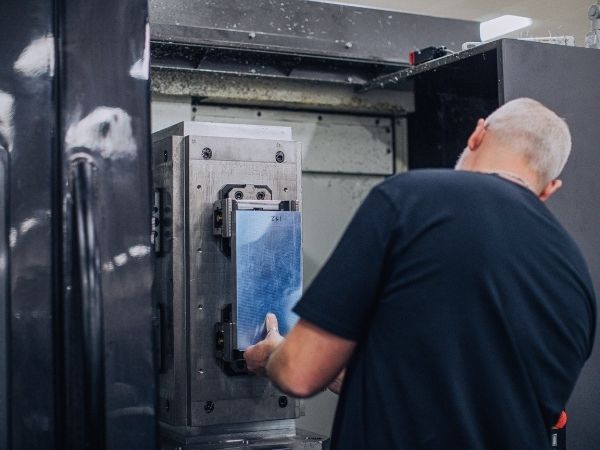
Use CNC machining in prototype manufacturing when you need tight tolerances. It also works well for complex geometries and features that must carry into final production parts. We focus on datum strategy and tolerance relationships that matter in assembly, inspection methods matched to critical features, plus material selection aligned to function and availability.
3D printing for early stage prototypes
3D printing is a fast way to create prototypes for fit checks and assembly trials. It suits early stage work where speed matters.
Our 3D printing is limited by printer build size. If a part is too large, we can split it into sections and join it using fasteners or adhesives where suitable.
Assembly and functional test in one plan
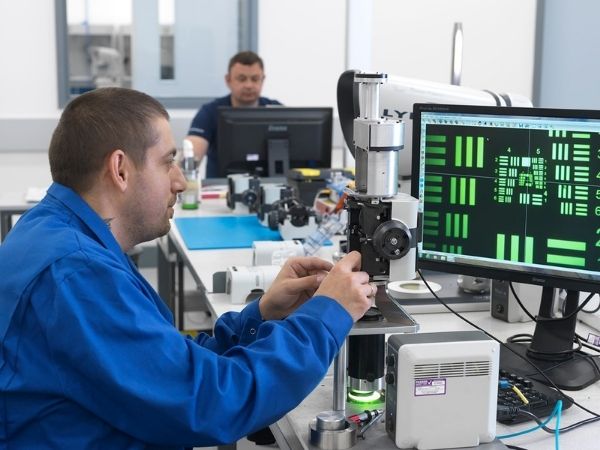
Prototype builds often stall when machining, assembly and testing sit in separate plans. We run them under one plan so you spot issues earlier and reduce rework loops. You get assembly steps planned around critical interfaces, functional testing agreed up front, plus build records that support sign-off.
For opto-mechanical builds
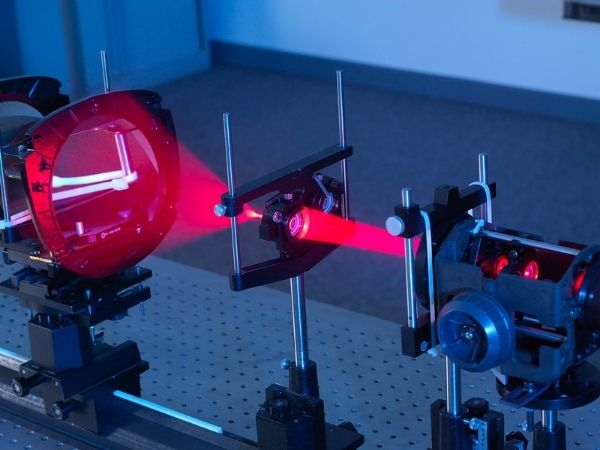
Small build issues can surface late in test. Datums, tolerance stack, handling, plus assembly order are common causes. We focus on critical interfaces and datums that control fit and alignment, tolerance relationships that affect assembly, plus test planning agreed up front with the required outputs.
Learn more about our opto-mechanical manufacturing approach.
Prototype cost and lead times
Prototype cost and lead times depend on what you need to prove and how strict the acceptance criteria are. Material selection and raw materials availability make a difference, especially if you need special finishes. Tolerances and inspection level also drive time and cost, including the evidence you need at sign-off. Build complexity and quantity matter too, particularly set-ups, assembly steps, plus functional testing.
What to send to create prototypes faster
Send your drawing pack with the current revision status, plus CAD files if you have them. Include your target quantity now and the expected follow-on quantity. Flag critical features and acceptance criteria, then share test requirements with pass or fail criteria. If the build includes assembly, add assembly notes and handling requirements.
What you get with every order
You get a Certificate of Conformity (CoC) and a clear revision reference, so it’s obvious what we built to. We run in-process checks on critical features and complete final inspection. Where specified, we supply material certification. If you agree inspection results at quote stage, we include them with the order.
If you are planning a prototype build and want a clear route to repeat builds and volume production, send your drawing pack and target quantity. We’ll come back with feasibility notes, prototype cost drivers, plus a plan for machining, assembly and functional testing.

